Whale & Dolphin Watching in Tenerife — What to Expect
Tenerife sits on one of the richest marine corridors in the world. The channel between Tenerife and La Gomera is home to year-round resident populations of pilot whales and bottlenose dolphins — making it one of Europe's most reliable whale watching destinations.
What Species Will You See?
Pilot whales (Globicephala macrorhynchus) are the stars of the show — a resident population of around 500 lives permanently in the channel. Bottlenose dolphins are also regularly spotted, often bow-riding alongside boats. Lucky visitors may also encounter striped dolphins, Bryde's whales, sperm whales, and on rare occasions, blue whales passing through on migration.
Best Time to Go
Year-round, but summer (June–September) tends to have the calmest seas and most species variety. Winter months can be rougher but pilot whale sightings remain near-guaranteed. Morning trips generally have smoother water than afternoon.
Which Boat to Choose?
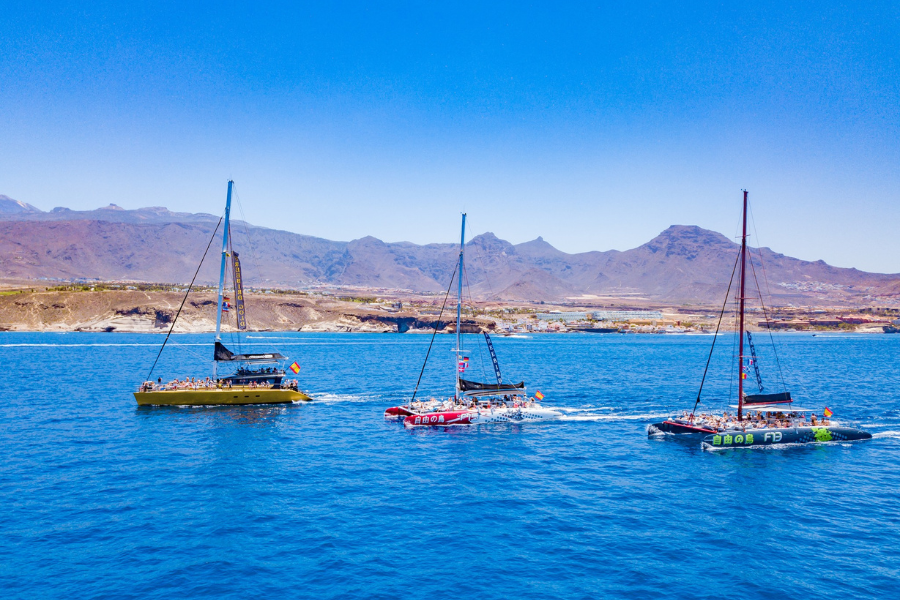
Trips depart from Los Gigantes harbour (closer to the resident whale area) and from the south coast ports. Catamarans offer the most stable experience — our Freebird and Royal Delfin catamaran trips are specifically designed to maximise wildlife encounters while including lunch and swimming stops.
Responsible Watching
Always choose operators that follow the LIFE WATCH program regulations — boats must maintain a minimum 60m distance from cetaceans and cannot pursue or separate family groups. Bonjour Tours only partners with responsible operators who have full environmental certification.
Photography Tips
Use a lens with at least 200mm equivalent focal length. Pilot whales surface frequently but briefly — keep your camera ready. Polarising filters reduce glare. Position yourself on the bow or upper deck for the best views. Early morning light is most beautiful for photos.